OnePlus 15 Debuts with Snapdragon 8 Elite Gen 5—And It’s More Than Just a Chip Upgrade
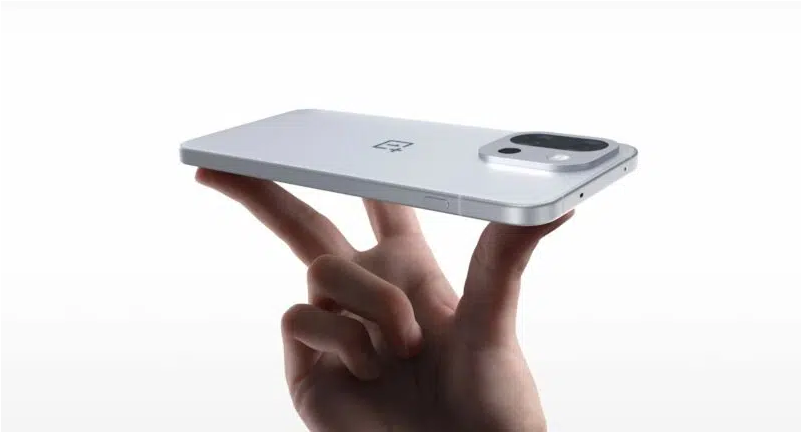
Qualcomm just pulled the curtain back on its Snapdragon 8 Elite Gen 5—the chipmaker’s latest flagship silicon—and as sure as clockwork, flagship smartphones are hot on its heels. For tech fans, these moments are when the race to maximize new hardware really heats up, and this week, OnePlus is leading the pack.
The brand gave the OnePlus 15 its first official reveal at Qualcomm’s China-focused Snapdragon Summit, a counterpart to the main Hawaii event that landed earlier than usual this year . This launch continues a decade-long partnership between OnePlus and Qualcomm, one that’s helped redefine what flagship phones can do. “With the Snapdragon 8 Elite Gen 5 at its core, the OnePlus 15 carries that legacy forward—delivering the speed, intelligence, and efficiency our users demand now and into the future,” the company noted in its announcement.
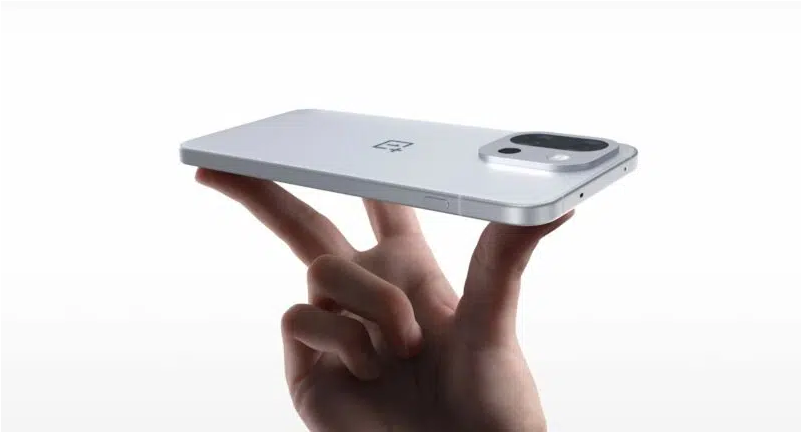
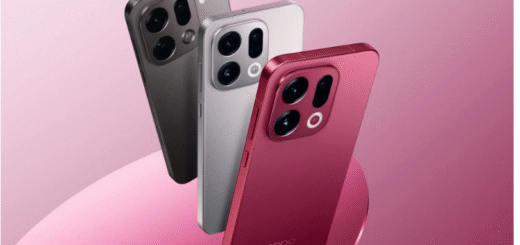
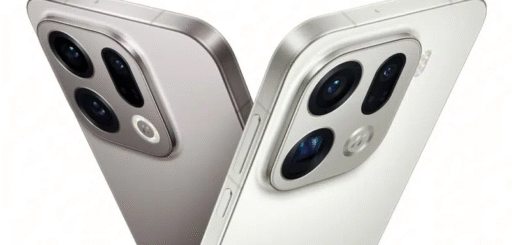
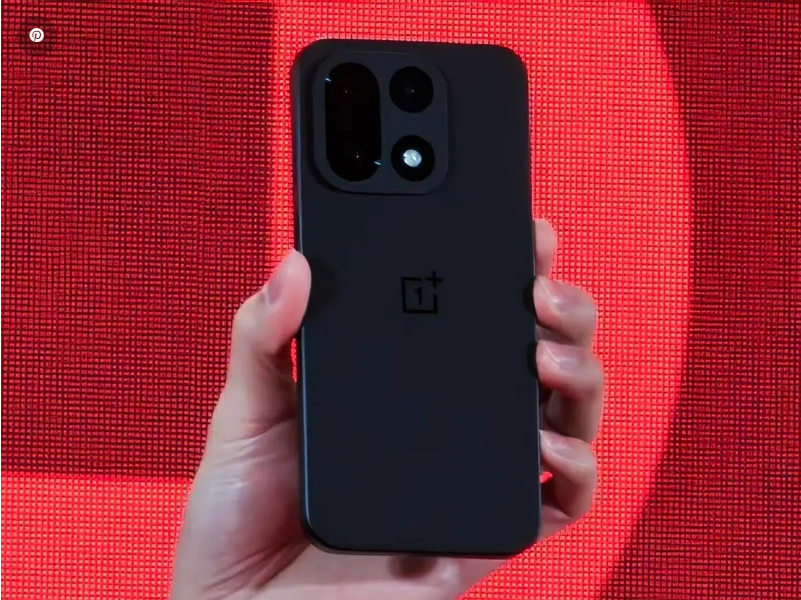
On stage, reps showcased the OnePlus 15’s black model, confirming a design that blends familiarity with new flourishes. Leaks had already hinted at titanium and pink color options, but the real talking point is the camera bump: it retains the 2×2 square grid from the OnePlus 13T/13S (ditching the OnePlus 13’s circular module) and draws clear inspiration from Google’s latest Pixel and Apple’s iPhone designs . The phone’s build gets an upgrade too, with a ceramic-coated middle frame that’s four times harder than titanium and a fully matte body for premium grip .
If you’re scanning for the OnePlus 14 and coming up empty—you didn’t miss a release. The brand skipped the number entirely, just like it did with the OnePlus 4 years ago. The reason? A common Chinese superstition: “four” sounds nearly identical to “death” in Mandarin, so brands operating in China often steer clear of it to avoid bad luck .
Display, Software, and Tradeoffs
OnePlus confirmed via posts on Weibo (China’s popular microblogging platform) that the OnePlus 15 will sport a 165Hz refresh rate display—one it co-developed with BOE. Dubbed the “Eastern Screen,” it uses LIPO encapsulation to shrink bezels to smaller than the iPhone 17 Pro Max’s, with tight control over black levels and eye-friendly tech . Rumors suggest the resolution will drop from 2K to 1.5K, though OnePlus says the optimized panel still targets top-tier display performance . A massive 7300mAh battery is also reportedly in the works.
Software splits along regional lines: Chinese models will run ColorOS 16 based on Android 16, while global units get OxygenOS—a fan favorite for its close-to-stock Android feel and seamless Google Services integration . Both will lean on OnePlus’s upgraded Tidal Engine, a software layer that optimizes how the Snapdragon chip handles apps and games. At the summit, executive Li Jie Louis demonstrated its power by launching two games simultaneously, switching between 10 apps, and returning to gameplay—all without a hint of lag .
A New Era for OnePlus Imaging
The biggest software reveal is the DetailMax Engine, OnePlus’s first in-house image-processing tech. It marks the end of the brand’s partnership with Hasselblad, but integrates all the lessons from that collaboration into a system that leverages the Snapdragon chip’s AI and raw power . The goal? “Breathtakingly clear and truly real” photos, with improved low-light detail, skin tone accuracy, and dynamic range—plus integration with OPPO’s LUMO imaging system for a more consistent look .
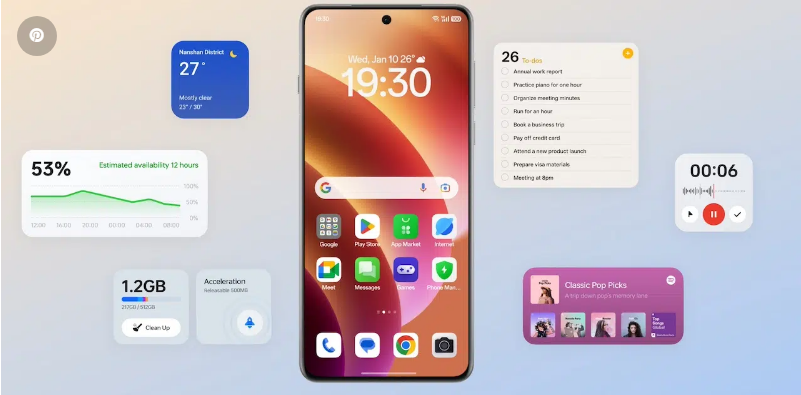
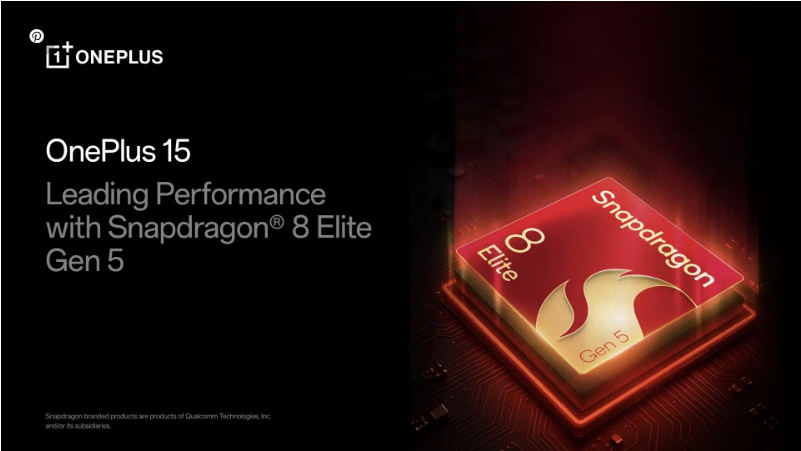
Under the hood, the Snapdragon 8 Elite Gen 5 lives up to the hype: built on TSMC’s 3nm N3P process, it packs 2 Oryon v2 ultra-large cores clocked at 4.61GHz and an Adreno GPU hitting 1.2GHz—making it a beast for gaming and multitasking . For OnePlus, it’s more than just a new chip—it’s a chance to prove that even a decade in, it can still push flagship boundaries.