Amazon’s New Alexa±Enabled Echo Lineup: Smarter, More Intuitive, and Built for Ambient Living
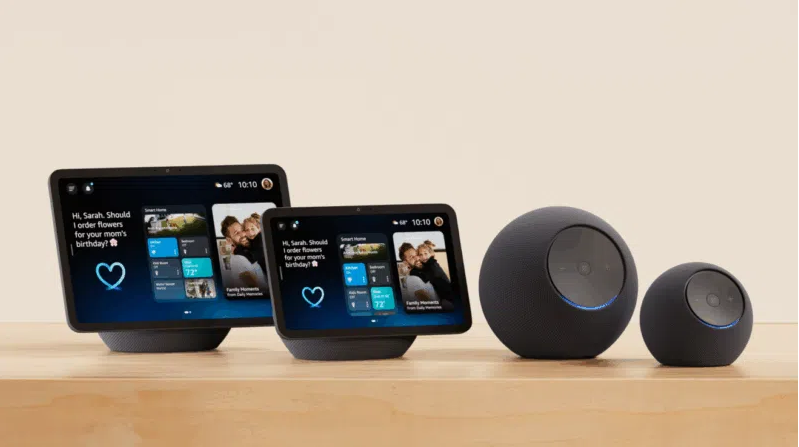
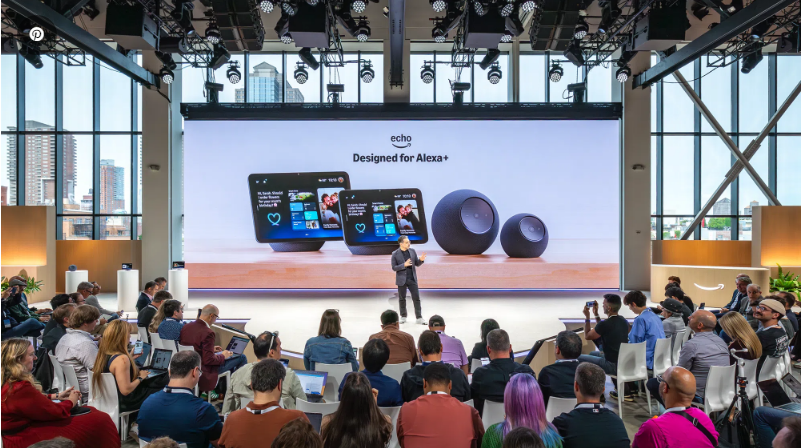
For anyone invested in smart home tech, Amazon’s latest Echo family—starring the Echo Dot Max, Echo Studio, and Echo Show 8/11—isn’t just a refresh: it’s the first lineup designed from the ground up for Alexa+. Packed with sharper AI, richer sound, and proactive home control, these devices aim to turn Alexa from a “voice-only helper” into a more ambient, present part of daily life. But whether they live up to the buzz will depend entirely on how well those AI features deliver when you actually use them.
Key Features & Specs Breakdown
| Device | Standout Features | Price / Availability* |
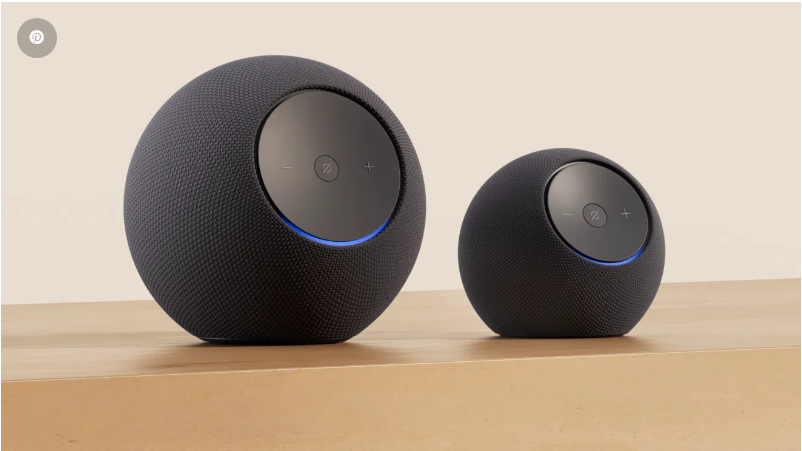
| Echo Dot Max | Dual-speaker setup, boosted bass, AZ3 AI chip | ~$99.99 |
| Echo Studio | Spatial audio + Dolby Atmos, smaller, room-filling sound | ~$219.99 |
| Echo Show 8 | 13MP camera, adaptive ambient visuals, smart sensing | ~$179.99 |
| Echo Show 11 | Large display, stereo + dedicated woofer, advanced sensors | ~$219.99 |
| Common Upgrades | AZ3/AZ3 Pro chips, Omnisense sensor fusion, out-of-the-box Alexa+ support | Pre-orders open now; Echo Dot Max/Echo Studio ship Oct 29; Echo Show 8/11 ship Nov 12 |
Why This Lineup Matters: AI & Sensing That Works Locally
The real star of these new Echos isn’t just the hardware—it’s the brains under the hood. Custom AZ3 and AZ3 Pro silicon chips, paired with Amazon’s Omnisense sensor platform, let these devices process data locally (that’s “edge AI”) instead of relying solely on the cloud. That means better accuracy for detecting people or movement, faster responses, and proactive actions—no voice command needed.
For example:
- The Echo Dot Max’s AZ3 chip cuts down on false wake-ups by over 50%, even when the TV’s blaring or kids are playing in the next room.
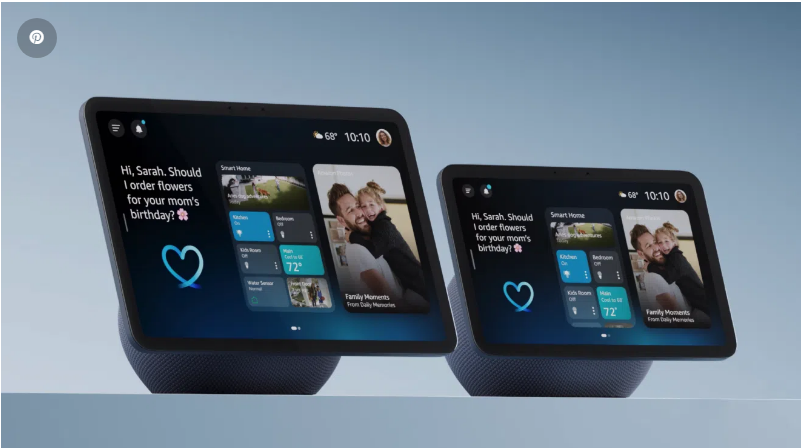
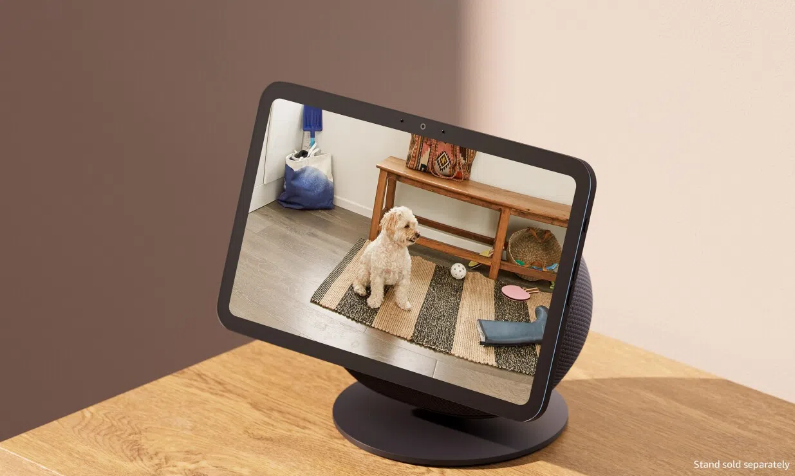
- The Echo Show models use their AZ3 Pro chips, 13MP cameras, radar, and Wi-Fi sensing to spot when someone’s approaching. They’ll greet you, pull up your to-do list, or even alert you if the garage door’s left unlocked late at night—all on their own.
This isn’t just “smarter” Alexa—it’s Alexa that pays attention to your space, acting more like a helpful companion than a tool you have to shout at.
Audio: Better Sound in Every Size
Amazon didn’t skimp on sound with this lineup—each device gets a tune-up tailored to its role:
Echo Dot Max
Gone is the classic Dot’s single speaker. Instead, it gets a dual-driver setup (a woofer for bass and a tweeter for clarity) that frees up more space for acoustics. The result? Fuller, punchier sound than any previous Dot—without bulk.
Echo Studio
The original Echo Studio was great for sound, but it was bulky. The new model is 40% smaller—yet it adds spatial audio and Dolby Atmos support for immersive playback (think movie soundtracks that feel like they’re wrapping around you). It still keeps multiple drivers for room-filling sound, so it works just as well in a living room as a bedroom.
Echo Show 8 / 11
Both shows pair front-facing stereo speakers with a custom woofer, tuned to project sound forward. That means you can hear a recipe or video call clearly even if you’re standing across the kitchen—no need to crank the volume. Pair that with the display, and it’s perfect for cooking, video chats, or just leaving ambient info (like the weather or calendar) on in the background.
If Amazon’s tuning holds up, these could outperform most budget smart speakers and even some pricier smart displays in their category.
Smart Displays: Clearer, More Adaptive Visuals
The Echo Show 8 and 11 get the biggest visual upgrades, with features designed to make the screen feel less like a “TV” and more like a natural part of your home:
- They use in-cell touch and negative liquid crystal design to cut down on layers, making colors brighter and viewing angles wider (no more squinting if you’re off to the side).
- Ambient visuals adjust to your room’s light—dimming at night so it doesn’t glow like a nightlight, or brightening during the day for easy reading.
- When you walk over, the camera and AI will detect you, pull up your personalized home screen (with media controls, calendar, or Ring camera feeds), and even remind you about that 3 PM meeting.
- Both also work as local smart home hubs, supporting Matter, Thread, and Zigbee. That means your smart lights, locks, and thermostats can connect directly to the Show—no extra hub needed.

The Upside & The Unknowns
No tech lineup is perfect—here’s what to love, and what to watch for:
✅ Pros
- Ambient AI built-in: Proactive features (like auto-pulling up your schedule) go way beyond just responding to “Alexa, do this.”
- Edge processing wins: Faster responses, less lag, and better privacy—since less data has to be sent to the cloud.
- Sound + display work together: Audio and visuals are tuned to complement each other, not feel like afterthoughts.
- Easy Alexa+ onboarding: No extra steps—these devices come with Alexa+ Early Access preloaded.
- Big ecosystem potential: The upcoming Alexa+ Store and partnerships with Bose, Samsung, and BMW mean more features will roll out later.
⚠️ Cons / Unknowns
- No clear EU/UK launch details: Pricing, availability, and which Amazon services work there are still up in the air—expect delays.
- Regional feature gaps: Not all Alexa+ tools will launch everywhere at once. U.S. users will get first dibs, but others might wait months for key features.
- AI reliability is a question mark: The “smart” stuff (like detecting presence or alerting you) depends on how well the sensors and local AI work. If they’re glitchy, it’ll feel more annoying than helpful.
- Competition is fierce: Google and Apple will likely respond with their own ambient smart devices—so you might want to compare before buying.
Verdict: Who Should Buy (and Who Should Wait)?
If you’re ready to upgrade to a smart home assistant that’s more intuitive and less “command-based,” these Echos are a strong step forward. The custom chips and sensor fusion give Alexa real potential to be useful without you asking—and the audio/display upgrades make them enjoyable to use daily.
- Early adopters/smart home power users: Go for it—these will be the best way to test Alexa+’s full potential.
- EU/UK users: Wait until Amazon confirms pricing, availability, and feature parity. No need to buy a device that might miss key tools.
- Budget shoppers: Stick with the original Echo lineup for now. Alexa+ is new, and the older models still work great for basic tasks—save until the new features mature.
FAQ
Q: Do I need an Alexa+ subscription to use these new Echos?
A: Nope—every new Echo in this lineup comes with Alexa+ Early Access preloaded. No subscription required to get started.
Q: Will Alexa+ work in the UK or EU?
A: Amazon says not all Alexa+ features will be available everywhere at launch. They typically roll out AI and voice tools in stages, so some capabilities might be delayed or restricted in those regions.
Q: Can I connect these Echos to my existing smart home (Matter, Zigbee, Thread)?
A: Yes—the Echo Show 8 and 11 have built-in support for Matter, Thread, and Zigbee. They’ll work with most of your existing smart devices.
Q: How are these different from older Echo models?
A: The biggest differences are the custom AZ3/AZ3 Pro AI chips, Omnisense sensor fusion, better audio setups, proactive/presence-aware features, and tighter integration between the display, AI, and home control. These aren’t just “faster” Echos—they’re designed for a whole new way to use Alexa.