Samsung Unveils Galaxy Tab S11 Ultra: Powerful New Chip, But a Less Capable S Pen
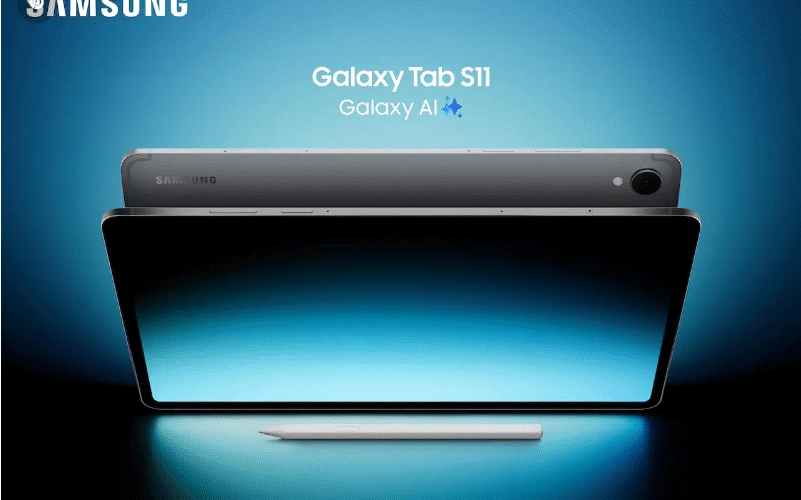
Samsung has officially launched the Galaxy Tab S11 series, headlined by the premium Tab S11 Ultra. While the new models are powered by the impressive MediaTek Dimensity 9400+ chip and boast a sleek design, the company has made some puzzling decisions with its accessories that may leave fans disappointed.
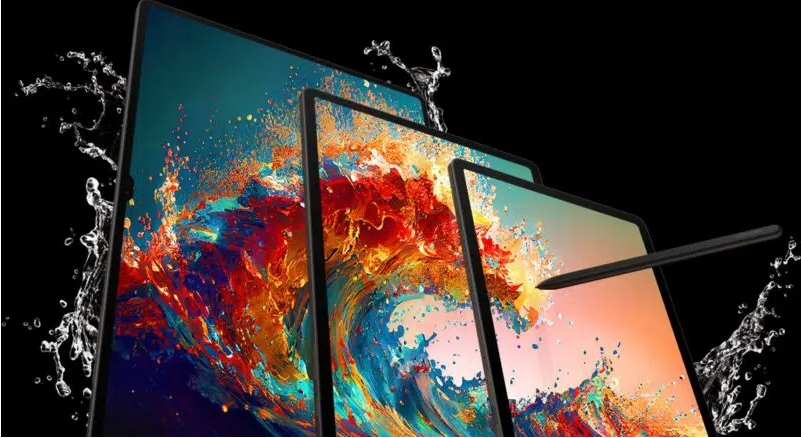
The launch feels familiar, with Samsung reiterating many of the same features we saw last year, though it proudly touts this as its thinnest tablet line yet. The most notable upgrades are under the hood—a significantly faster processor and a redesigned S Pen. However, the excitement is tempered by the removal of key features from the keyboard cover and the complete elimination of Bluetooth functionality in the S Pen.
Sleek Design, Stunning Displays
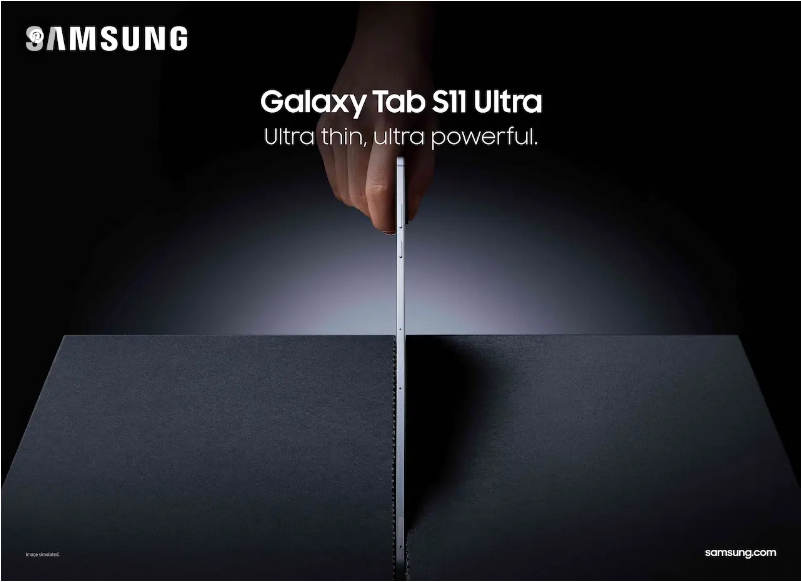
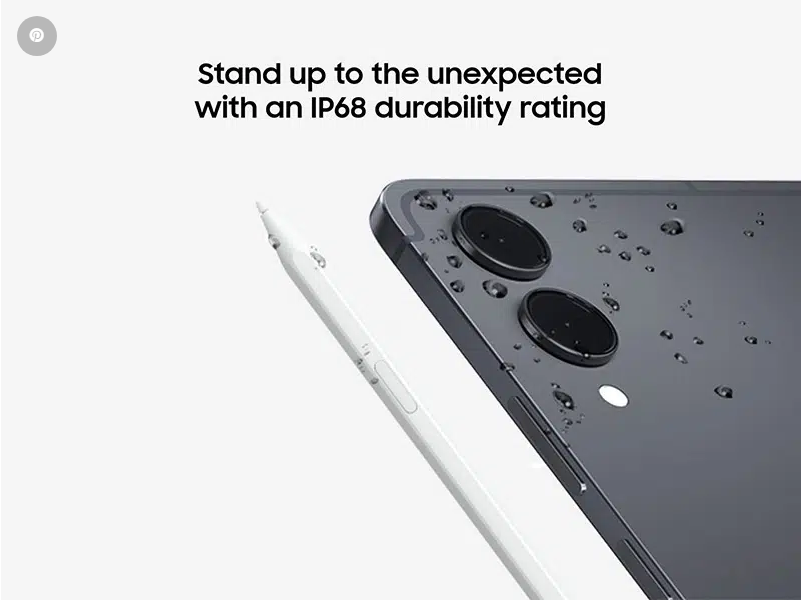
Samsung is emphasizing thinness with the Galaxy Tab S11 series. The Ultra model measures a razor-thin 5.1mm, making it the slimmest Galaxy Tab to date, though the difference from last year’s 5.4mm model is minimal. The standard Tab S11 comes in at 5.5mm. Both models feature narrower bezels and a premium build with IP68 water and dust resistance.
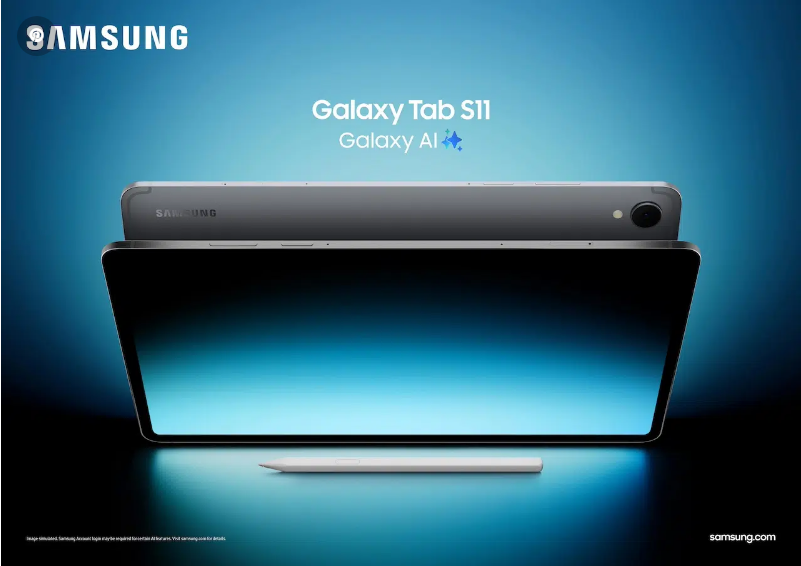
The displays are spectacular. Each tablet features a Dynamic AMOLED 2X screen with a 120Hz refresh rate, anti-reflection coating, and a peak brightness of 1,600 nits. The Ultra sports a large 14.6-inch panel with a 2960 x 1848 resolution, while the standard S11 has an 11-inch display at 2560 x 1600.
A Surprising Powerhouse Under the Hood
In a shift from tradition, Samsung chose a MediaTek Dimensity 9400+ processor over a Qualcomm Snapdragon chip. This 3-nanometer chip promises major gains: a 33% faster NPU, a 24% CPU boost, and 27% better GPU performance compared to the previous generation. This strategic move likely benefits the ultra-thin design by providing better power efficiency and thermal management.
No Shortage of Battery or Storage
The camera setup is practical: the Ultra has a dual rear system (13MP + 8MP ultra-wide), while the standard model has a single 13MP rear camera. Both share a 12MP ultra-wide front camera.
Battery capacity is strong, with an 11,600 mAh cell in the Ultra and an 8,400 mAh battery in the Tab S11, both supporting 45W wired charging. Samsung’s software optimization should easily deliver all-day battery life, though wireless charging remains absent.
Storage options are generous. The Ultra can be configured with up to 16GB of RAM and 1TB of internal storage, expandable via microSD by up to 2TB. The base S11 starts with 12GB of RAM and 128GB of storage (scaling to 512GB), also supporting microSD expansion. Connectivity varies by model, with the Ultra featuring Wi-Fi 7 and the base model equipped with Wi-Fi 6E; both support 5G (Sub-6) and dual SIM (physical + eSIM).
The Great Accessory Downgrade
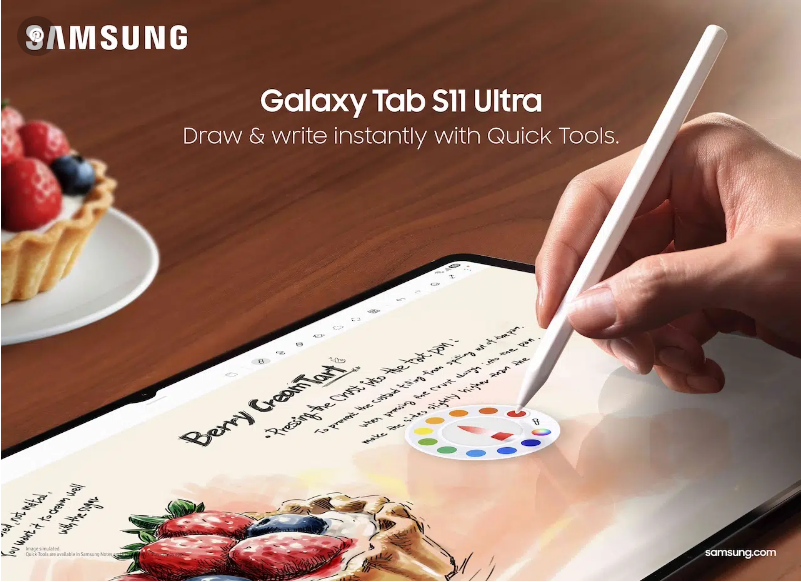
The most controversial aspect of the launch is the accessories. The new S Pen features an elegant hexagonal design and a refined tip but—as rumored—it has completely lost Bluetooth support. This means no Air Actions, no remote camera control, no presentation clicker, and no hope for future features like haptic feedback. For a device marketed to creatives and professionals, this is a significant step backward.
Similarly, the new Book Cover Keyboard Slim has also been stripped down, losing its trackpad and backlighting. Samsung may believe these features are seldom used, but their removal undermines the premium, productivity-focused image of the Galaxy Tab series.
One bright spot is the continued improvement of Samsung DeX. The new Extended Mode finally allows the Tab S11 Ultra to function as a true laptop replacement by supporting a dual-screen setup when connected to an external monitor—moving beyond simple screen mirroring.
The Galaxy Tab S11 series is available in Gray and Silver. Pricing starts at $800 for the 128GB Tab S11, while the 512GB Tab S11 Ultra starts at $1,200. The tablets are now available for purchase on Samsung’s official website.