Qualcomm Heads to UK Trial Over Chip Fees Tied to Apple and Samsung—Here’s What It Means for You

Qualcomm appears to be in hot water across the pond, and if things go a certain way, you could end up with a payout from the tech giant.
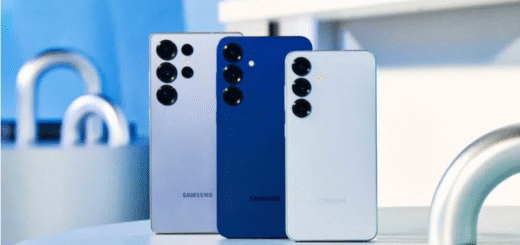
The force behind this legal fight? Which?—the unusual phrasing is intentional, as the UK consumer group takes its name from the English interrogative pronoun. Which? is suing Qualcomm, alleging the company coerced Apple and Samsung into paying inflated prices for smartphone chips and licensing fees. Those extra costs, the group claims, were then passed on to everyday consumers in the form of higher-priced phones.

The first phase of the trial will focus on whether Qualcomm abused its dominant market position. For now, though, the potential numbers are striking: If Which? wins, a second phase could see Qualcomm fork over £480 million (roughly $645 million)—which works out to roughly $23 per affected phone (around £17). Don’t hold your breath for a quick payday, though; it could be years before anyone actually gets that money in their hands.
You Might Get Compensated—No Action Required
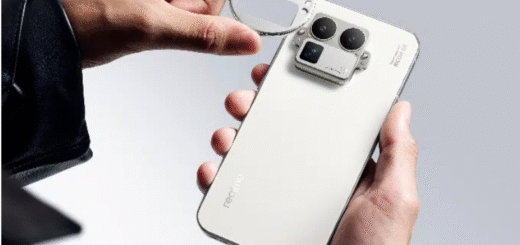
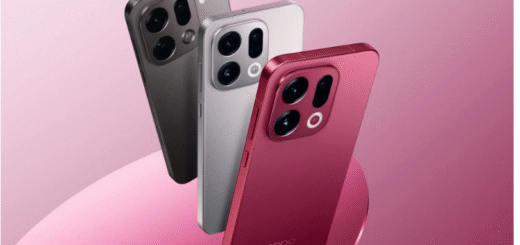
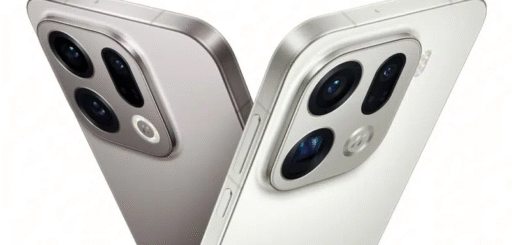
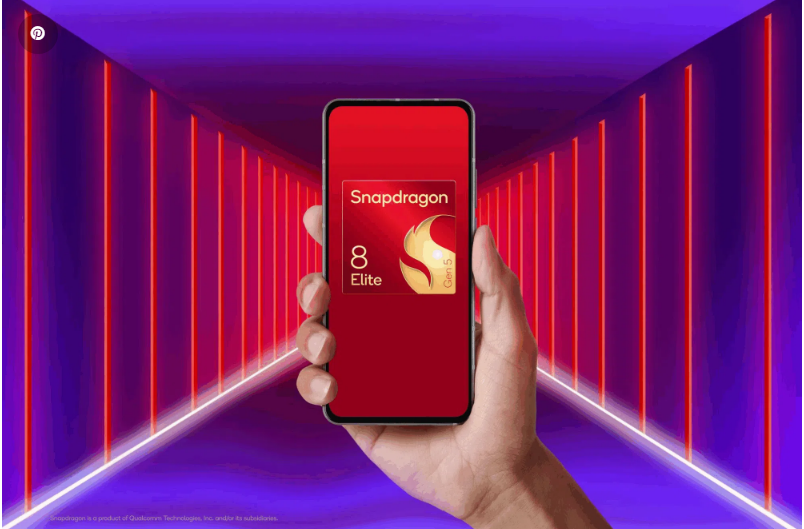
Qualcomm has long been a top supplier of smartphone chips—especially modems and processors—to major brands like Apple and Samsung. Its latest offering, the Snapdragon 8 Elite Gen 5, was just announced on September 25 of last month, and it’s already lined up for upcoming phones: the Xiaomi 15, OnePlus 15, and Realme GT 8 Pro will all launch with the chip. Apple and Samsung also rely heavily on Qualcomm for components because there are few alternatives that match its performance and compatibility.
Lisa Webb, a senior lawyer at Which?, notes that the consumer group first filed its claim against the chipmaker back in 2021—but the trial is only just getting underway in 2025. The good news for consumers? You don’t have to do a thing. If Which? prevails, the compensation will be distributed automatically. The system is designed to ensure all affected buyers benefit without lifting a finger; while it’s impossible to identify every single person who bought an affected phone, organizers plan to use statistical estimates and transaction records to divvy up the funds.
Qualcomm’s History of Legal Battles
This isn’t Qualcomm’s first run-in with regulators. The company has faced similar antitrust and licensing disputes across multiple regions before. The European Union has already fined Qualcomm for anti-competitive practices, and a comparable case is still ongoing in Canada.
In the U.S., the Federal Trade Commission (FTC) sued Qualcomm in 2017 over its licensing practices—though that case was dismissed in 2020. More recently, Qualcomm scored a major legal win against Arm in the U.S., centered on licensing agreements and intellectual property. Arm had alleged that Qualcomm and its subsidiary, Nuvia, violated the Architecture License Agreement (ALA) between the two companies, claiming Qualcomm’s use of Nuvia’s technology exceeded the terms of the deal. The case went to trial in December 2024, and last month, a jury unanimously ruled in Qualcomm’s favor, finding no breach of the agreement.
What This Means for Qualcomm’s Partnerships
The current case with Which? is being heard at London’s Competition Appeal Tribunal, and Qualcomm has not yet commented on the proceedings. Ultimately, the trial will hinge on whether Which?’s evidence backs up its claims. While the lawsuit is a significant financial and regulatory challenge, it’s unlikely to disrupt Qualcomm’s relationships with Apple or Samsung in the short term.
Losing Qualcomm as a supplier would be a major headache for both brands, and it’s in everyone’s best interest to keep their business relationships intact, no matter how the trial ends. Samsung has been working to reduce its reliance on external suppliers with its in-house Exynos chips, but Qualcomm still holds significant clout in the high-end connectivity space—making it a partner neither Apple nor Samsung can easily replace.