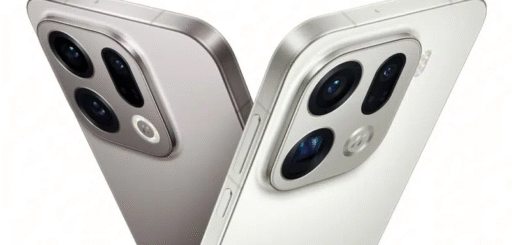
Google Rolls Out Android 16 Beta 3.1 to Fix Pixel Bootloops
Talk about a quick turnaround—Google has squashed the desktop mode glitch that was plaguing its Pixel smartphones.
Google first launched Android 16’s third quarterly platform release (known as QPR3 Beta 3) recently, but the rollout was far from smooth. Within 24 hours, Pixel users started reporting their devices were getting caught in bootloops—endlessly restarting without ever fully turning on. The issue hit nearly every compatible Pixel model, spanning from the Pixel 8 all the way up to the Pixel 10.
As it turns out, the problem traced back to Desktop Experience Mode: a developer-focused feature that transforms Android into a computer-like interface when connected to an external display. Google eventually pulled the over-the-air (OTA) update from its beta channel, though it didn’t issue an official statement about the move at the time. Now, the company has resumed the rollout with a new, patched version of the beta.
Beta 3.1 Steps in to Fix the Issue
As shared on the Android Beta subreddit, Android 16 QPR3 Beta 3.1 is now available for eligible devices. To install it, head to Settings > System > Software Update > Check for Update—this patch specifically addresses the Desktop Experience Mode bug that caused the nonstop restarts, so the feature should now be safe to use.
Google has also outlined step-by-step methods to recover devices still stuck in bootloops:
- First, do nothing—we know that sounds counterintuitive, but the device should automatically roll back to the prior beta version after a few failed boot attempts.
- If automatic rollback fails: Connect your phone to a computer and use the Android Debug Bridge (ADB) to disable Desktop Mode. This process involves booting the device into recovery mode, accessing the command interface, and running a single command to turn off the problematic setting.
- If ADB isn’t an option: Manually sideload the Beta 3.1 update via recovery mode—this should resolve the bootloop.
- Last resort: Factory reset: This will erase all personal data (apps, photos, files) from your device, but it can fix persistent corrupted data or system conflicts. Only use this if other methods don’t work.
Other Brands Push Forward with Android 16
While Google cleans up the aftermath of its beta mishap, other smartphone makers are moving ahead with their own stable Android 16 releases:
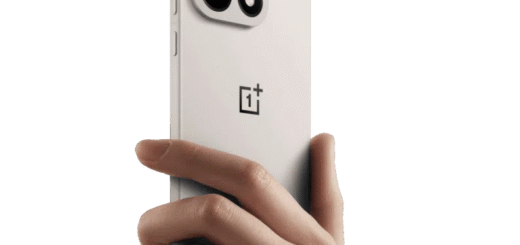
- OnePlus: The brand is gearing up for the global launch of OxygenOS 16 (its custom version of Android 16). It already launched an Open Beta Program for the software, and the upcoming OnePlus 15 will ship with OxygenOS 16 preinstalled starting October 27.
- Motorola: Motorola has begun rolling out stable Android 16 to select devices, including the Edge 60 Pro, Edge 60 Fusion, and Edge 50 Pro—and this rollout is notably earlier than usual. For context, Motorola didn’t release Android 15 for its phones until December of last year, making this year’s update a pleasant surprise for users.
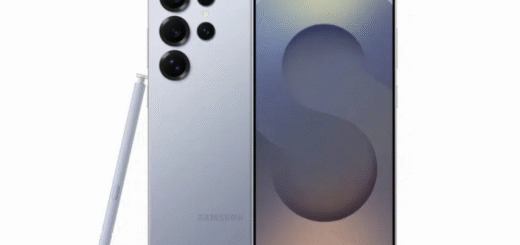
- Samsung: Samsung’s One UI 8 (which runs on Android 16) has had its own rocky rollout, though for reasons unrelated to Google’s bootloop issue. Earlier this month, the company initially released One UI 8 for the Galaxy S22, S22+, and S22 Ultra—but suspended the update worldwide within days. Reports suggest the pause stemmed from a firmware problem impacting the S23 lineup.

Samsung hasn’t offered an official explanation, but sources close to SamMobile note the issue appears limited to the S22 models. The S23, S24, S25, and newer foldable devices—all of which already run One UI 8—haven’t experienced the same problem.