Samsung’s New Ad Spot? Your Smart Fridge
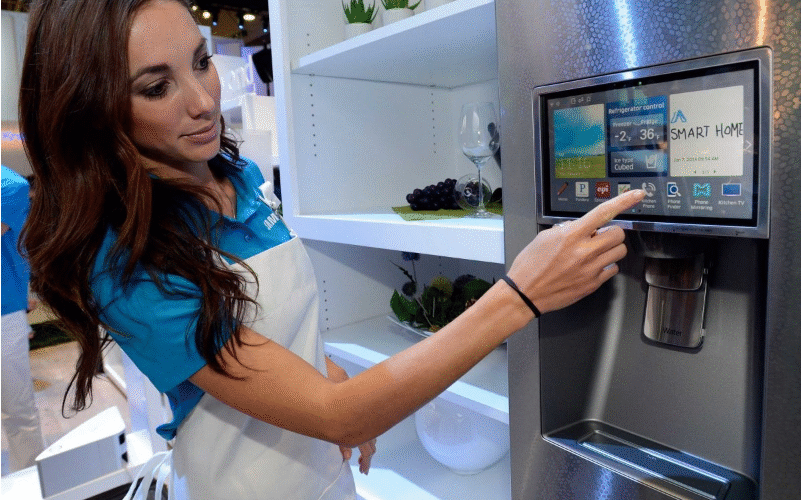
If a device has a screen these days, ads are all but guaranteed—that’s the unwritten rule for modern smart gadgets.
The last thing anyone expects when grabbing a late-night snack from the fridge is an ad popping up to catch them off guard. But Samsung seems to be betting on that exact scenario. As more companies race to monetize every possible screen through ads, the Galaxy maker recently confirmed it’s testing ad campaigns on its smart fridges in the U.S. as part of a pilot program.
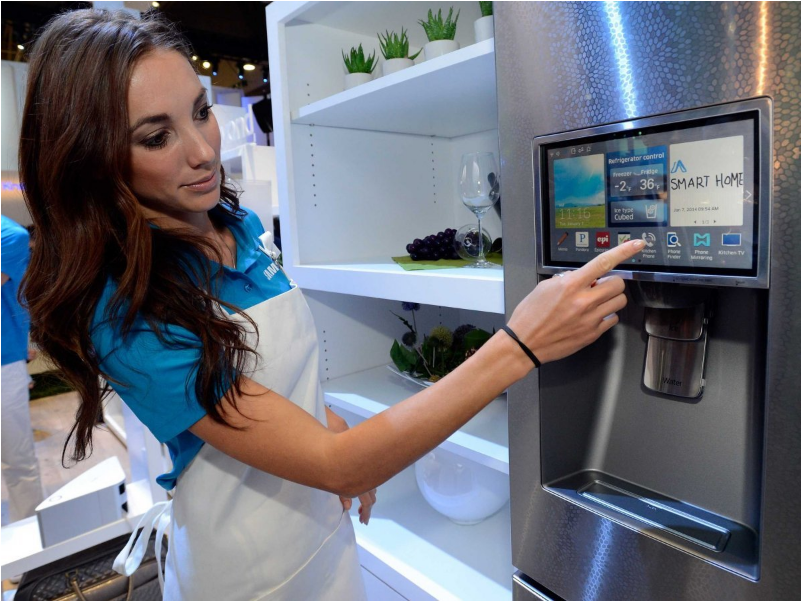
Samsung claims the ads are supposed to “boost the value” of owning its smart fridges. Unsurprisingly, customers aren’t buying it. From what we can tell, if you want to avoid the ads, your only options are tweaking hidden settings—or keeping your fridge completely offline.
You Can’t Fully Escape Ads on Samsung’s Smart Fridges
Earlier this month, Samsung fridge owners noticed something strange in a software update’s release notes: a line about “promotions” being displayed on the device. At first, many thought it was a typo or a mix-up with another product—after all, who puts ads on a fridge?
The confusion spread to Reddit (specifically the r/samsung community, in a thread titled “samsung putting ads on your fridge”) and other tech forums, prompting outlets like Android Headlines and Android Authority to dig deeper. Samsung later confirmed the change in a formal statement to those publications: the ads are real.
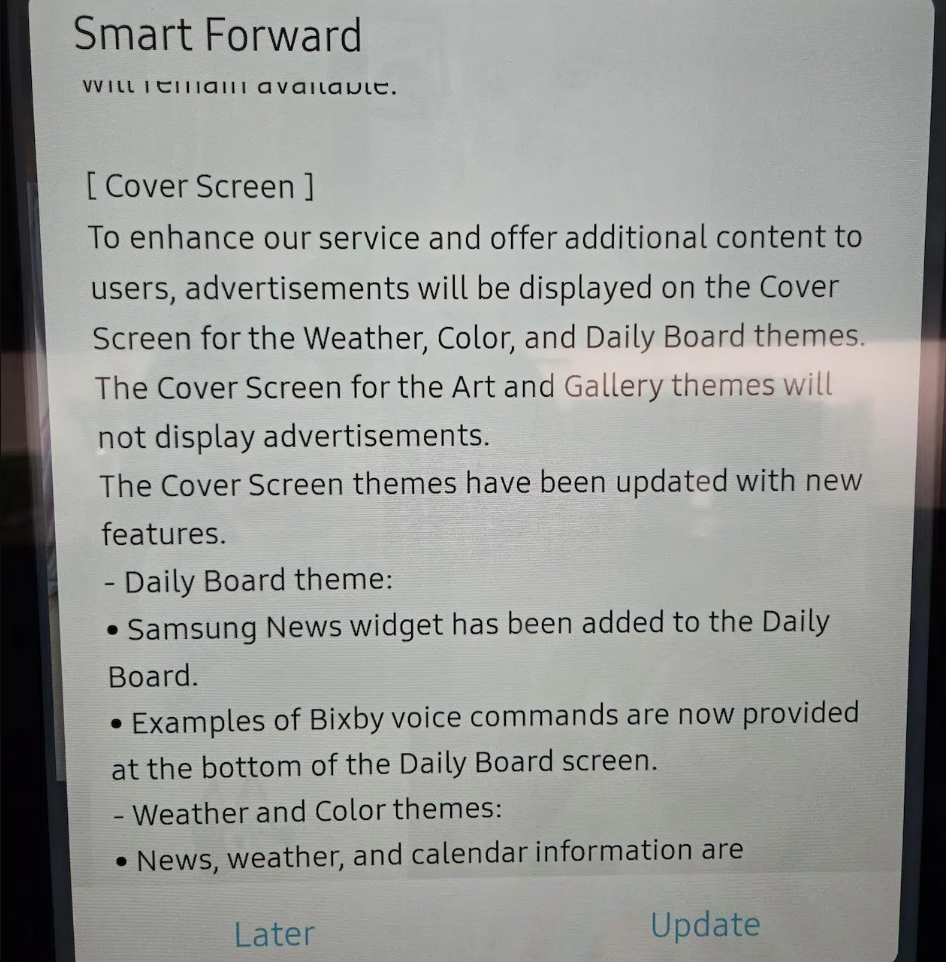
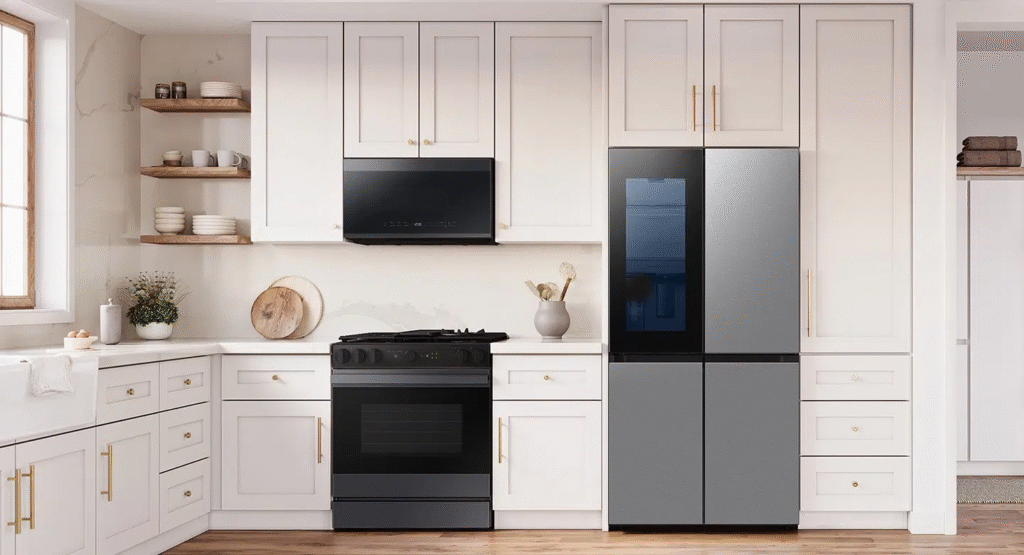
As part of the pilot, select Family Hub fridges in the U.S. will get over-the-network (OTN) updates that turn on ads and curated promotions. These ads will appear on the fridge’s Cover Screen when it’s idle—but only if the screen is set to certain themes: Weather, Color, or Daily Board.
There are a few workarounds temporarily: if you switch to Art Mode or a Gallery/Photo theme, ads won’t show up. And if you swipe an ad away, that specific campaign won’t reappear for the duration of its run. But here’s the catch: you can’t fully turn ads off. The only way to block them for good is to disconnect the fridge from Wi-Fi—which also disables all its smart features (like grocery lists or recipe apps) and defeats the point of buying a “smart” appliance.
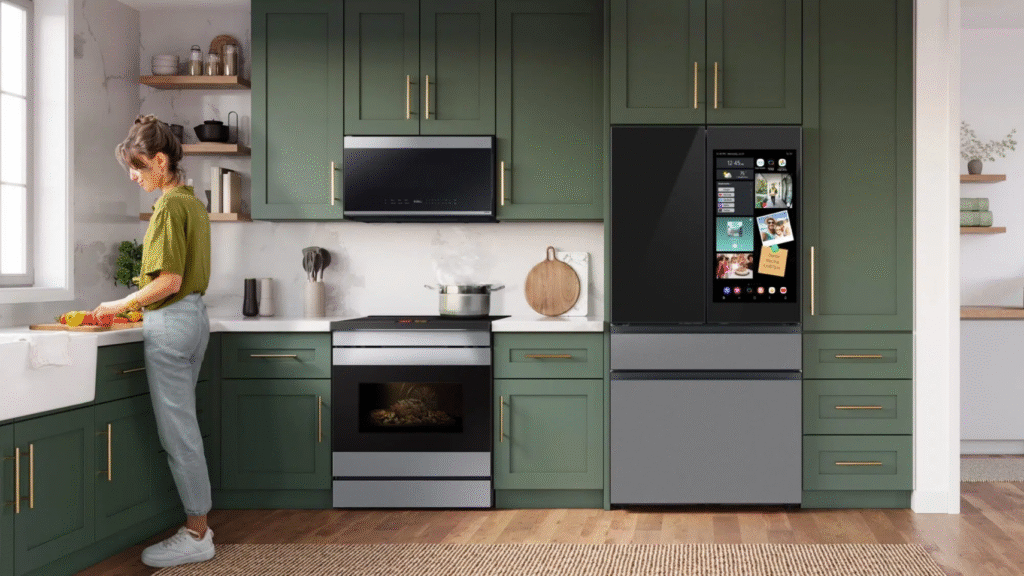
When the update rolls out, your fridge will also prompt you to accept new Terms & Conditions and a Privacy Notice. For now, only Samsung’s Family Hub fridges are affected—those are the brand’s high-end models, selling for $1,800 to $3,500 in the U.S.
That $1,000+ Fridge Is Now Making Money for Advertisers (Not You)
People don’t crave ads the way they crave useful features—like a fridge that keeps food cold or lets you check groceries from your phone. But the fact that ads are invading even our kitchen appliances proves companies care more about monetization than user experience.
Ads drain a scarce resource: our attention. They break our focus, waste our time, and when they pop up on something as everyday as a fridge, they spark immediate frustration—eroding trust in the product. Even when an ad happens to share useful info (say, a coupon for milk), its value to you is almost always outweighed by the annoyance of being interrupted mid-snack run.
Worst of all, there’s no logical excuse for this. Unlike TVs or streaming services—where ads at least keep content free or affordable—Samsung’s fridges are already expensive. Paying $1,800+ for a fridge, only to have the company “double-dip” by using it to sell ads, is absurd. You buy the product, and then the product turns around and monetizes you.
Let’s break down the numbers: If one fridge shows 2 ads per day, that’s 730 ads per year (2 x 365). Multiply that by 1 million Family Hub fridges, and at a standard $1 cost per thousand impressions (CPM), Samsung could pull in roughly $730,000 annually. That’s not even counting higher-margin opportunities like sponsored content or targeted grocery coupons.
For a company as big as Samsung, $730,000 isn’t a fortune—but that’s not the point. The fridge ads are just one piece of a larger ecosystem: hardware sales, data licensing, and now, ads on every screen it can reach.