Samsung Confirms Tri-Fold Phone Launch in 2024
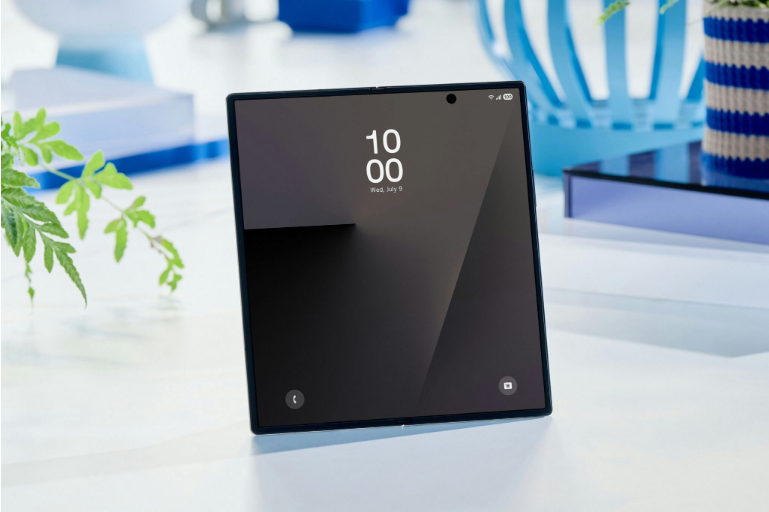
Samsung is set to redefine foldable phones once again with its first tri-fold device, officially confirmed for release by December 2025. The announcement came from Roh Tae Moon, President of Samsung’s Device Experience division, following the company’s July Galaxy Unpacked event. While excitement builds around this bold leap in mobile tech, experts advise tempering expectations—after all, groundbreaking designs often come with early challenges.
A Major Step Forward in Foldable Tech
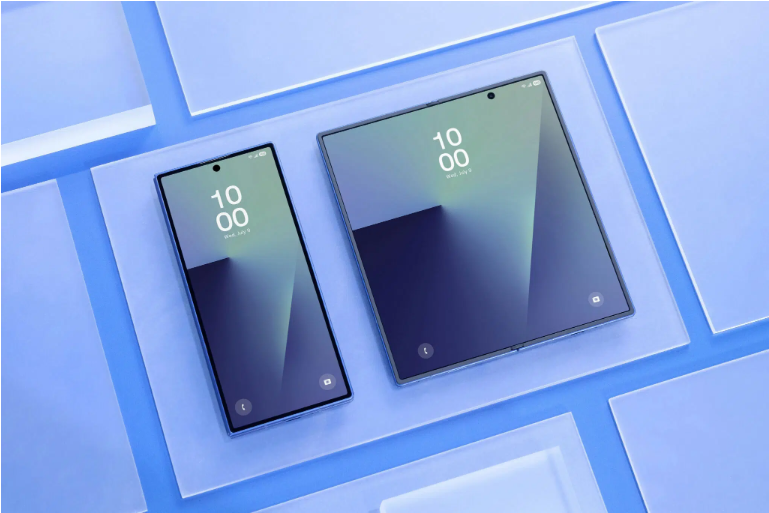
Samsung’s tri-fold phone marks a pivotal moment in smartphone evolution. Though the Galaxy Z Fold 7 and Flip 7 took center stage at Unpacked, the tri-fold concept signals Samsung’s next big bet on flexible displays. The device—still unnamed—will reportedly debut in select markets like South Korea and China, suggesting a strategic, controlled rollout rather than an immediate global launch.
Why Tri-Fold Phones Are a Game-Changer
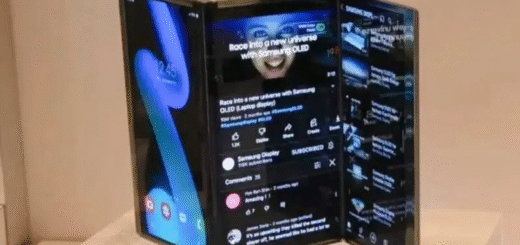
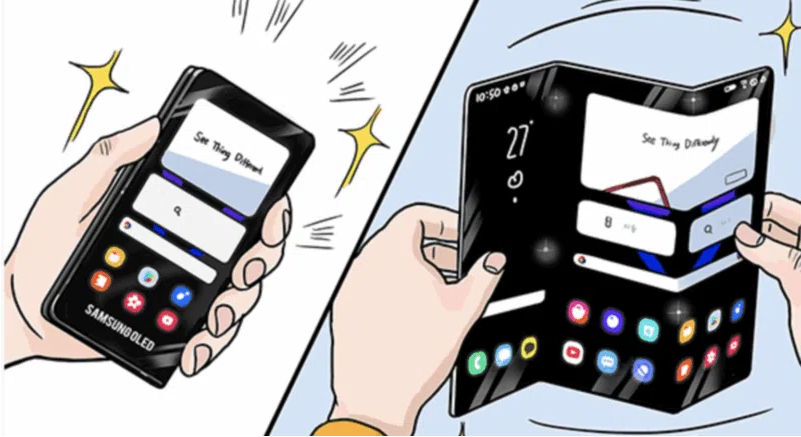
Unlike traditional foldables with a single hinge, Samsung’s tri-fold design features two hinges and three display panels, allowing it to expand from a standard smartphone into a 10-inch tablet-like screen. This opens up new possibilities for productivity, gaming, and media consumption, effectively merging a phone and tablet into a single, adaptable device.
The real test, however, will be in execution. Can Samsung deliver smooth transitions between modes? Will the hinges hold up over time? If successful, this could set a new standard for mobile versatility.

Samsung’s Decade-Long Foldable Evolution
Samsung’s foldable journey began in 2019 with the Galaxy Fold—a flawed but ambitious first attempt. Since then, the company has refined its Z Fold and Z Flip series with better durability, displays, and software. The tri-fold represents the next logical step, built on years of R&D and user feedback.
This isn’t just about adding another hinge; it’s about perfecting a vision Samsung has pursued for years. Competitors have struggled to match its pace, and this move could further solidify its lead in the foldable market.
What We Know (And What We’re Still Guessing)
Rumors suggest Samsung’s tri-fold will use an inward-folding “G-shaped” hinge, which may help protect the delicate display. Under the hood, it’s expected to pack a Snapdragon 8 Elite chip and a high-resolution OLED screen optimized for multitasking.
But challenges remain:
- Battery life may not match traditional tablets.
- Price could exceed $3,000, making it a luxury for early adopters.
- Software optimization for three-screen multitasking will be critical.
The Future of Foldables Hangs in the Balance
Analysts remain cautiously optimistic. Tri-fold phones face hurdles—complex hinges, added thickness, and untested durability—but if Samsung gets it right, this could push foldables into the mainstream.
With Huawei already testing tri-folds in China, Samsung’s entry could spark a new wave of innovation. The question isn’t just whether the tech works—it’s whether consumers are ready for a device that blurs the line between phone and tablet like never before.
One thing’s certain: The mobile industry is watching closely. If Samsung succeeds, this could reshape how we think about smartphones for years to come.