Samsung is Phasing Out DeX, Embracing Google’s New Desktop Mode
I hardly ever used Samsung DeX, and now it’s vanishing for good. What a letdown.
It’s like my phone’s been keeping tabs on me again. Just after I finished using my RayNeo Air 3s Pro with my Galaxy phone in DeX mode, I stumbled across reports of a big change coming with One UI 8.
Samsung has officially decided to nix its classic desktop-style experience in the new version of its custom OS. Instead, they’re swapping it out for a stripped-down alternative based on Android 16’s native Desktop Mode.
DeX is getting watered down
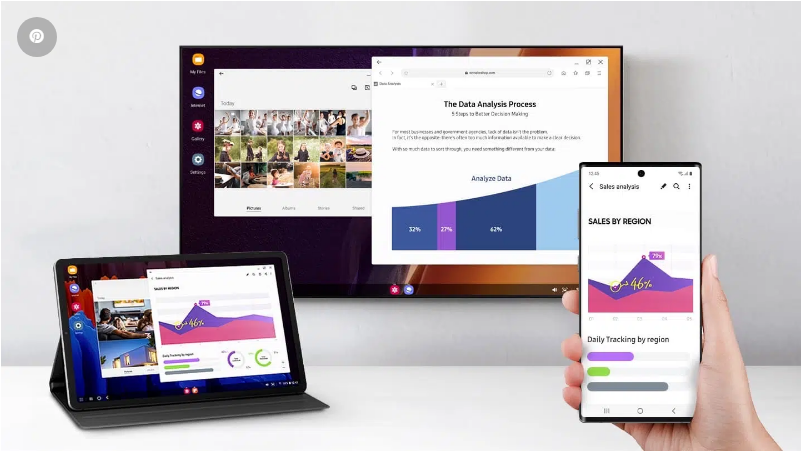
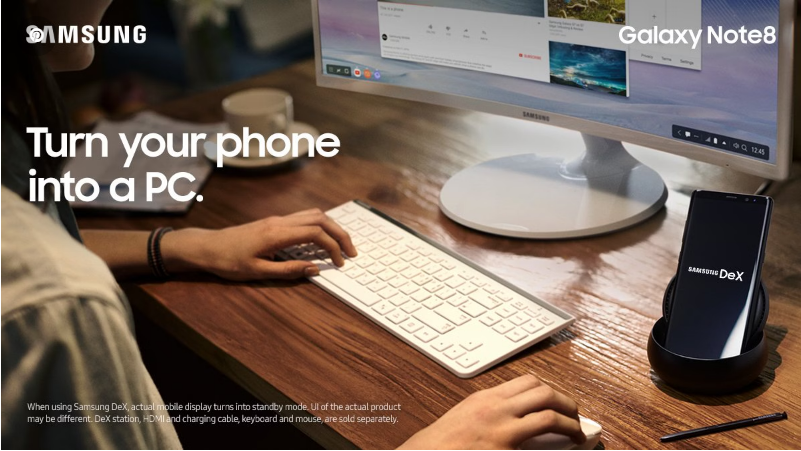
The original DeX was all about putting users in control—offering a tightly integrated interface that adapted to their hardware, workflows, and quick fixes. Samsung took Android and turned it into something more than just a phone interface blown up on a bigger screen.
They added a custom window manager, built in support for multiple inputs, and let users drag, pin, resize, and reposition apps as smoothly as a real desktop. It directly pushed back against the idea that mobile devices should be stuck in mobile-only use cases.
Now that things are changing, I’m not sure how to feel. It’s disrupting a system that worked because it was tailored, not generic. I get Samsung’s reasoning, though—Google is taking over the desktop experience on Android.
In fact, Google’s taking over just about everything else. Maintaining a separate DeX system would only create conflicts and technical baggage. Maybe I’m just nostalgic for something I’ve known since the Galaxy S8 series, even if I only used it once in a while. Either way, we’ll see the update roll out by the end of August, as reported by TalkAndroid.
How One UI 8 is changing Samsung DeX
Apparently, Samsung started moving away from its own DeX foundation as early as One UI 6.0, though most people didn’t notice at the time. It’s unclear if the new mode will hang onto any of the old, iconic features. But here’s a breakdown of what’s being replaced:
| Feature | Old DeX (Classic) | New DeX (One UI 8) |
|———————–|———————————————————————————–|———————————————————————————–|
| Base System | Samsung built its own desktop system on top of Android. | Now uses Google’s built-in Android desktop mode. |
| Window Control | Resize, move, and snap windows like on a PC. | Windows feel more restricted—they don’t remember position or size, and snapping is clunky. |
| Taskbar | Full taskbar with pinned apps, clock, battery, notifications, etc. | Taskbar only shows apps—no clock, battery, or system tools. |
| Mouse and Keyboard | Mouse could move between phone and monitor; flexible keyboard shortcuts. | Mouse and keyboard are locked to the monitor; shortcuts are limited. |
| Sound via HDMI/USB-C | Audio worked through external monitors or docks. | No longer—sound only comes through Bluetooth or phone speakers. |
| Multiple Displays | Adjust scaling and screen settings for each display. | No settings here—the system decides everything. |
| Good Lock / MultiStar | Tools like MultiStar let you heavily tweak DeX. | These tools no longer work. |
| Drag & Drop | Easily drag files and text between windows. | Still possible, but much less smooth. |
| Fullscreen Mode | Apps could go full screen and hide system bars. | Some apps can’t full-screen properly—nav bars might stay visible. |
| Linux on DeX | Install Linux and use the phone like a real PC. | This feature is gone. |
| Speed and Performance | Samsung optimized DeX for smooth multitasking. | New DeX relies on Android’s default behavior, so it might lag with many apps open. |
| Developer Features | App makers could build special layouts for DeX. | These tools are gone—apps must follow Google’s basic desktop rules. |
| Updates and Control | Samsung could improve DeX anytime, even without new Android versions. | Now Samsung has to wait for Google to upgrade Android’s desktop mode for major changes. |
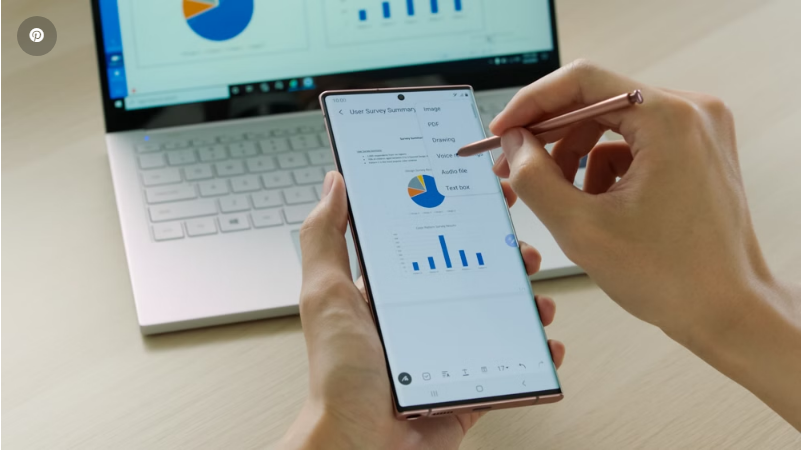
It’s clear this is part of a bigger, intentional cleanup to align with Google’s long-term vision for Android—especially across tablets, foldables, and desktop-style setups.
If you haven’t heard, Google is also planning to merge ChromeOS and Android. Soon, the Linux kernel, Android Framework, Bluetooth stacks, and display pipeline will all be unified.
That means ChromeOS will become more Android-native, and mobile software will get better scaling and continuity features. Developers can target one platform instead of two, and devices will adapt dynamically based on screen size and context.