Google Confirms Chromebooks Will Run on Android’s Core—Here’s What That Means
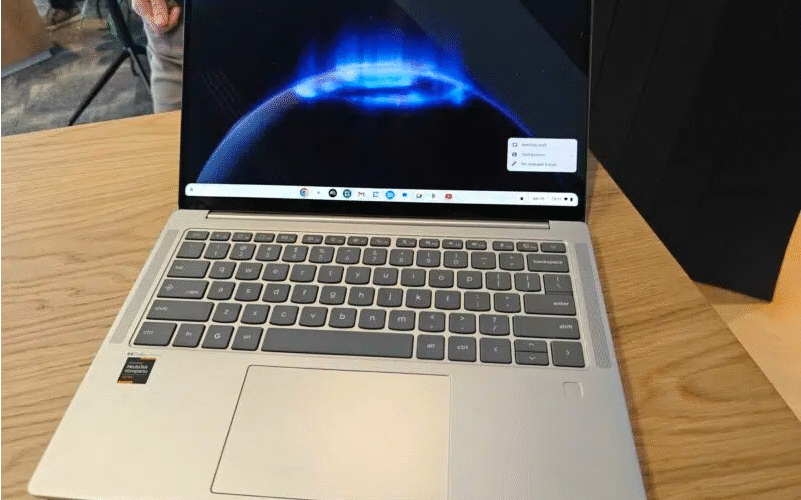
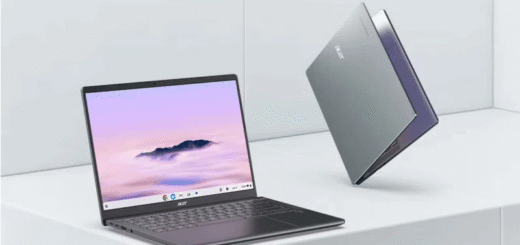
If it weren’t for storage limitations and the lack of professional-grade apps, I might have switched from my MacBook to a Chromebook years ago. ChromeOS delivers impressive battery life and performance, but its software limitations have held it back. Now, Google is taking a major step forward by merging ChromeOS with Android—a move that could redefine the future of Chromebooks and even Pixel laptops.
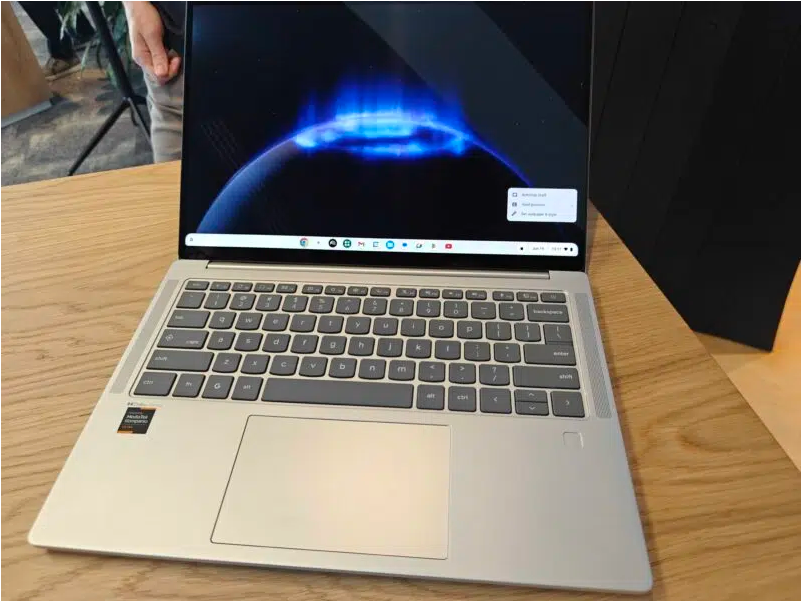
A Unified OS for the Next Generation of Devices
Last June, [reports surfaced](https://www.talkandroid.com/478711-chrome-os-android-kernel/) that Google was integrating Android’s Linux kernel into ChromeOS to accelerate AI features and improve hardware compatibility. Since then, the company has been quietly unifying the two platforms—even aligning their Bluetooth stacks in ChromeOS 122.
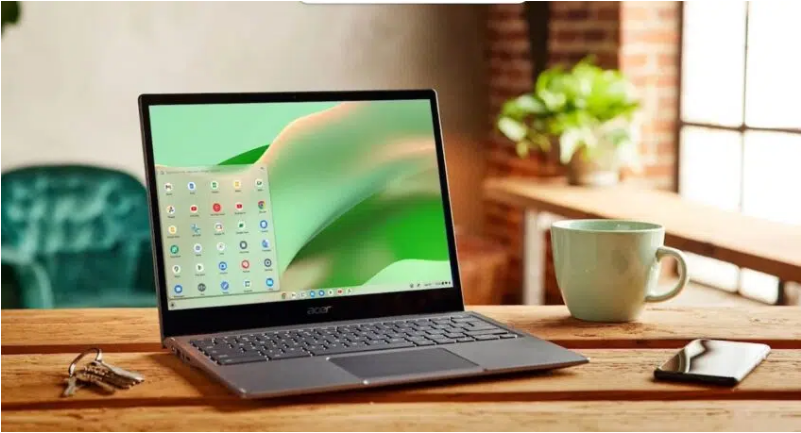
Now, a top Google executive has officially confirmed the shift: Android will become the foundation for Chromebooks, with ChromeOS features layered on top. This means a single, adaptive operating system that scales seamlessly across different screen sizes—whether it’s a foldable phone, tablet, laptop, or even a desktop setup.
Why This Makes Sense
Android has evolved far beyond smartphones, excelling in tablet and foldable modes with robust multitasking, desktop-like interfaces, and external display support. By building ChromeOS on Android’s core, Google can streamline development while enhancing versatility.
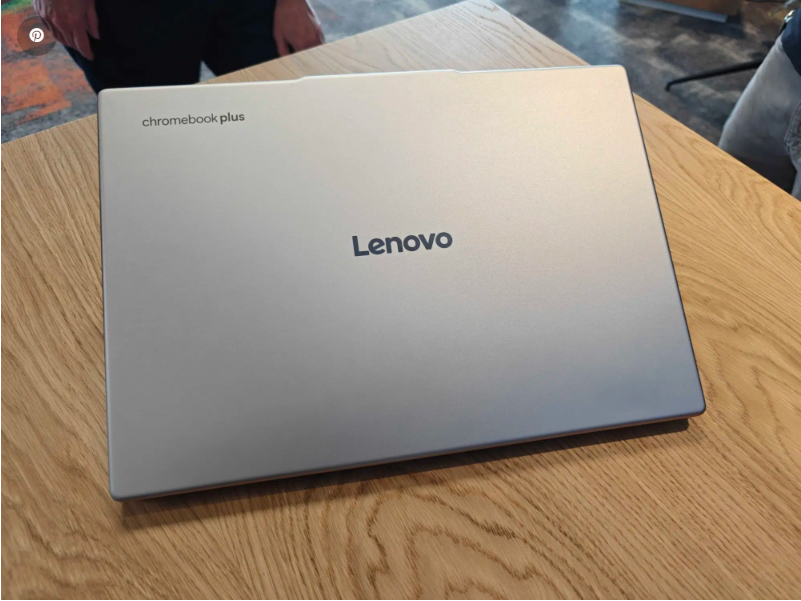
For developers, this means a single platform to target—no more juggling between ChromeOS and Android apps. And for users, it could mean tighter integration, similar to Apple’s ecosystem. But there’s a catch: Google must preserve ChromeOS’s lightweight efficiency. If this merger bloats the system, it could lose what made Chromebooks so appealing in the first place.
Faster Updates and Fewer Fragmentation Headaches
Google’s Sameer Samat also highlighted how this move could finally tackle Android’s notorious update delays. With initiatives like Trunk Stable and Android Drops, manufacturers will get timely access to the latest software—ideally syncing with major phone launches.
No more waiting months for Samsung or OnePlus to roll out the newest Android version. Google wants Android to be as responsive as ChromeOS, delivering updates when they matter most.
Beyond Laptops: Google’s Broader Vision
This isn’t just about Chromebooks—Google is thinking bigger. Samat, now leading Android XR, hinted at a renewed push for smart glasses, learning from the mistakes of Google Glass. With AI-powered features like real-time translation and diagram recognition, plus partnerships with Warby Parker and Gentle Monster, Google is betting on stylish, functional wearables.
The Bottom Line
Google’s Android-ChromeOS merger has been years in the making, and now it’s official. The result? A more cohesive, adaptable, and powerful platform—one that could finally make Chromebooks (and future Pixel laptops) a true MacBook rival. The key will be execution: If Google balances innovation with efficiency, this could be a game-changer.