TSMC to Bring 2nm Chip Production to Arizona by 2027
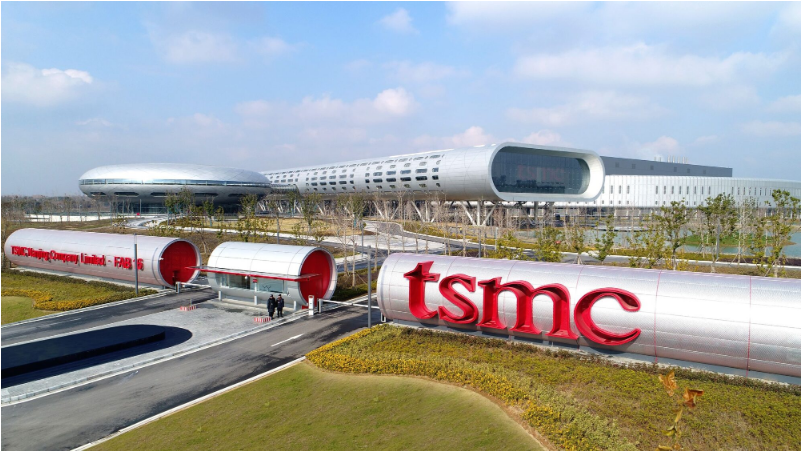
Arizona is set to welcome its third TSMC semiconductor plant in 2027—and this one will manufacture next-generation 2nm chips, marking a major leap in mobile processing power.
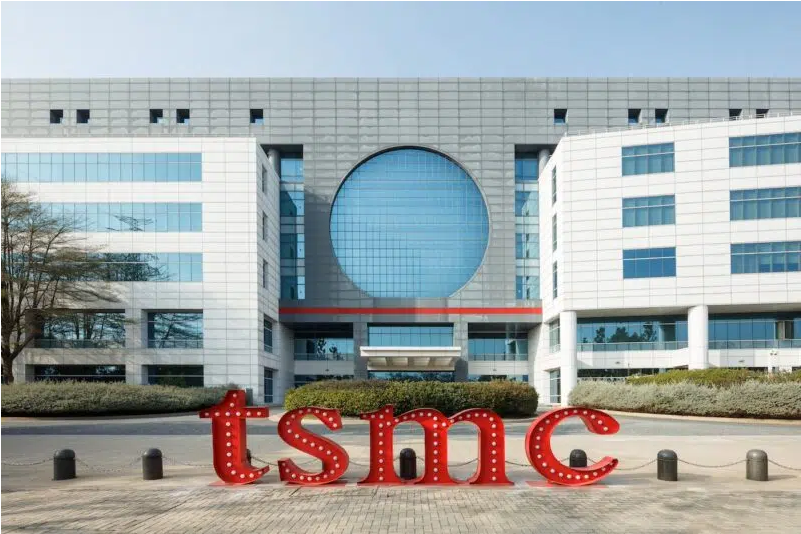
Over the years, many smartphone specs have plateaued, but one component has never stopped evolving: the System on a Chip (SoC), or simply, the processor. These tiny powerhouses continue to break performance barriers, driven by relentless advancements in fabrication technology. Just as 3nm chips are hitting the market, TSMC has already announced plans to open a 2nm production facility in the U.S. by 2027.
TSMC’s Third Arizona Facility Signals Big Ambitions
Looking back at my first favorite smartphone—the 2012 Sony Xperia S—it’s almost amusing to recall that its Qualcomm Snapdragon S3 chip was built on a 45nm process. Fast forward to 2025, and we’re discussing 3nm and even 2nm chips. The progress is staggering.
Even as 3nm technology becomes mainstream, TSMC isn’t slowing down. The Taiwanese semiconductor giant is gearing up for the next big jump: 2nm production. According to recent reports, the company plans to establish a U.S.-based facility dedicated to these ultra-advanced chips.
Here’s the breakdown of TSMC’s Arizona expansion:
- First Fab (2024): 4nm chip production
- Second Fab (2025): 3nm chip production
- Third Fab (2027): 2nm chip production
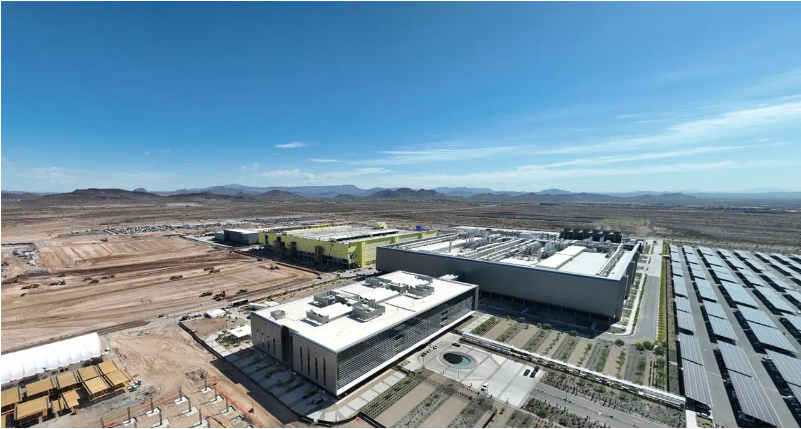
Meanwhile, competitors like Samsung aim to start 2nm production around the same time but may not achieve mass production until 2029—giving TSMC a potential two-year head start.
Why U.S. Chip Production Matters Amid Rising Tariffs
With ongoing uncertainty around U.S. tariffs on imported tech, prices for consumer electronics could climb significantly. Since most cutting-edge chips are manufactured overseas, tariffs could drive up the cost of smartphones and other devices.

Semiconductor manufacturing is a highly specialized field, and few companies can compete at the leading edge. China’s struggles after losing access to key chipmaking technologies highlight just how challenging this industry is. By expanding its U.S. operations, TSMC could help mitigate some of these risks.
Producing advanced 2nm chips on American soil means future smartphones may rely less on foreign-made components. The more semiconductors are sourced domestically, the smaller the tariff impact—and the easier it’ll be to keep prices in check for U.S. consumers.