6 Surprising Things a $70 Pair of Headphones Taught Me
We don’t always realize how much our gadgets can shape—or reveal—our daily habits. Sometimes, the lessons are quieter than we expect. Living in a big city means being surrounded by noise. Over time, that noise blends into the soundtrack of your life.
You hardly notice it—until it’s gone.
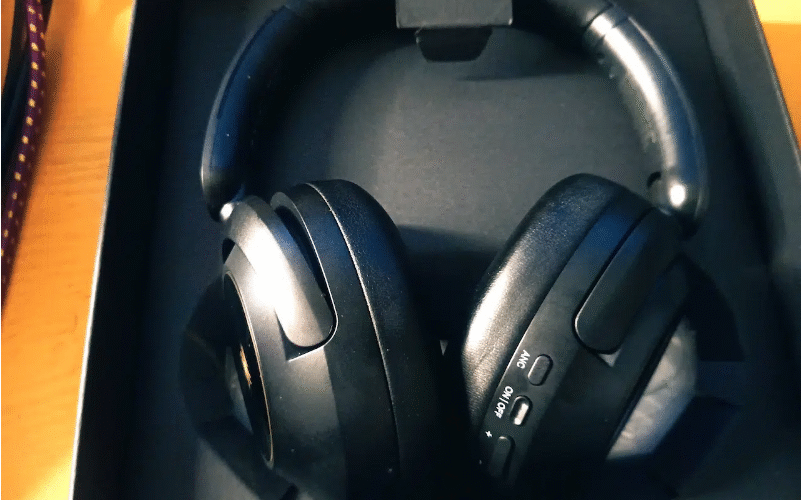
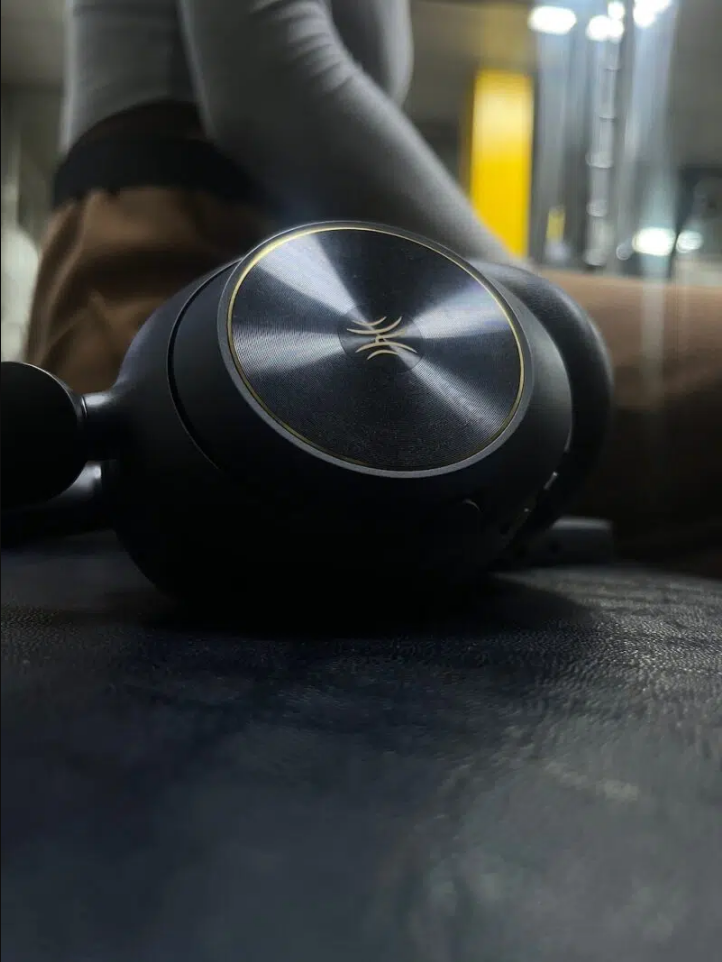
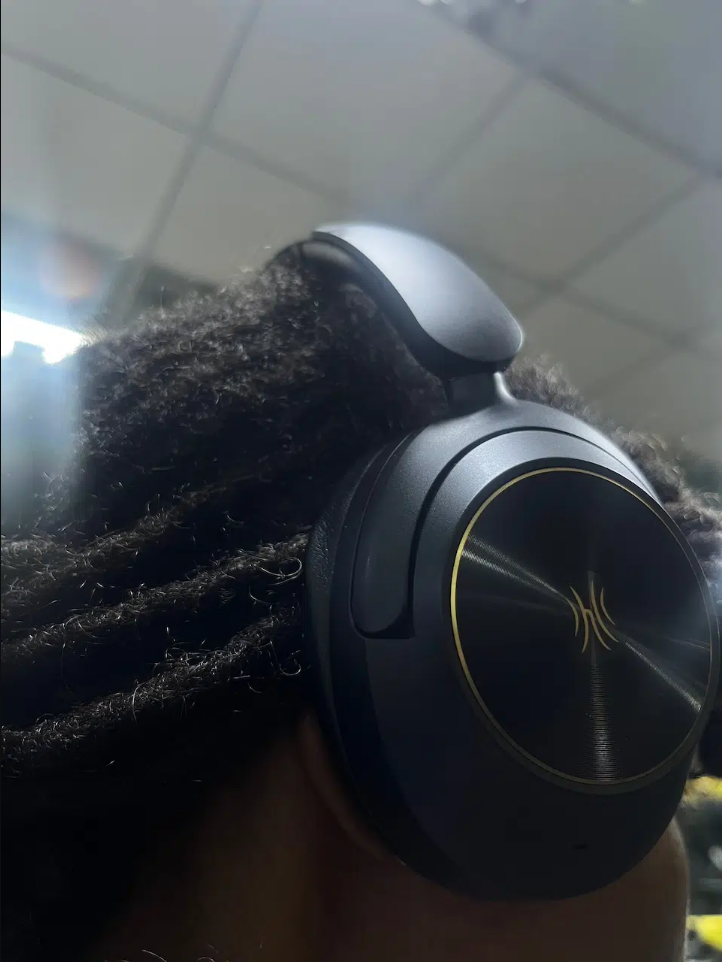
Trying out the OneOdio Focus A6 ANC headphones opened my ears in more ways than one. They didn’t just play music; they helped me hear my surroundings differently, and even adjust the way I live. Here are six unexpected—and slightly technical—lessons I learned while wearing them.
1.We Build Our Lives Around Noise—Without Even Noticing
Every evening at 7 PM, my neighbor’s generator sputters to life. The sound is harsh and grinding—like dragging a rake across a metal grate. At first, it drove me crazy. Why did it have to kick in right during my peak work hours?But over time, something shifted. I stopped consciously hearing it. My brain had classified it as background noise— predictable, steady, and easy to ignore. That’s thanks to our reticular activating system, the part of the brainstem that filters out repetitive sounds.
The generator became part of my mental landscape. Some days, its rattling even signaled me to refocus. Science tells us that unpredictable noises grab our attention—but steady ones, with consistent waveforms, simply fade away.
Then I tried the Focus A6 with Active Noise Cancellation.
The generator vanished. Silence rushed in. I’d used ANC earbuds before, but over-ear headphones are different. They create a physical barrier that blocks mid-to-high frequencies before ANC even kicks in. The ANC itself uses inverted sound waves to cancel low-frequency noise. Microphones pick up external sounds, and the headphones generate an opposite wave—neutralizing the noise before it hits your eardrum.
When I took the headphones off after about 40 minutes, the generator’s noise hit me all over again. It felt louder and more intrusive than before. My ears had recalibrated to a quieter baseline—like stepping out of a library into a honking street.
2.You Probably Own More Devices Than You Really Need
The Focus A6 supports dual Bluetooth pairing—meaning it can connect to two devices at once. I started using it to jump between my MacBook and Android phone seamlessly. Writing on my laptop, then taking calls on my phone—without ever re-pairing.But here’s the thing: I didn’t used to do this. My earbuds also had this feature, yet I never used it. Suddenly, I became a person who “needed” to juggle multiple devices—partly just to feel like I was using the headphones to their full potential.
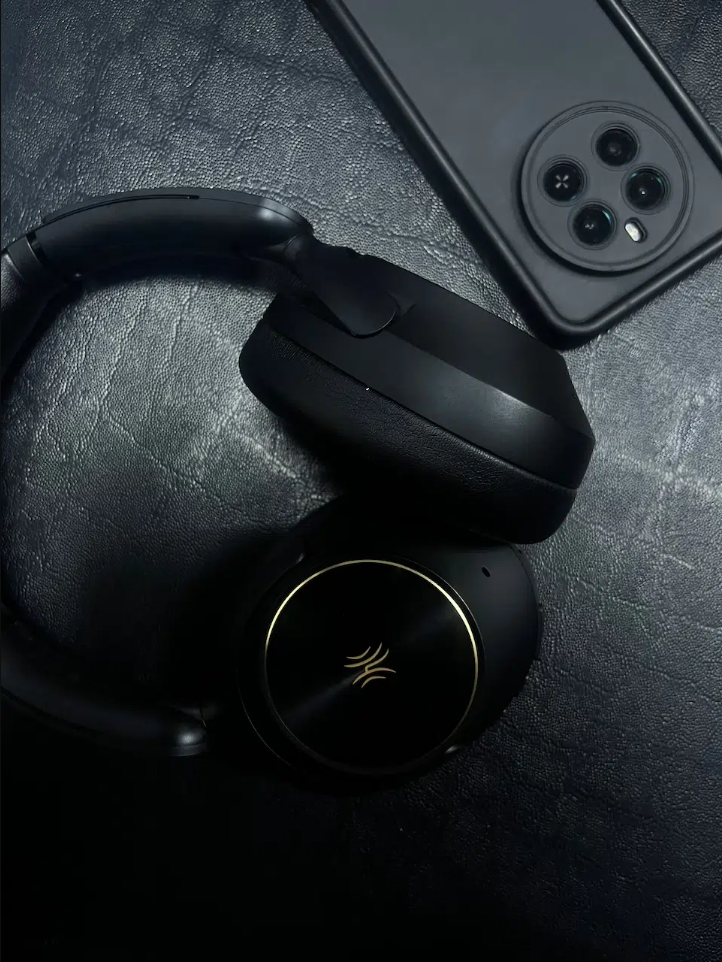
It made me realize how many gadgets I own that mostly sit idle. Sometimes it takes a new piece of tech to show us how much clutter we’ve accumulated.
3.There’s No Such Thing as “Too Much” Cinematic Sound
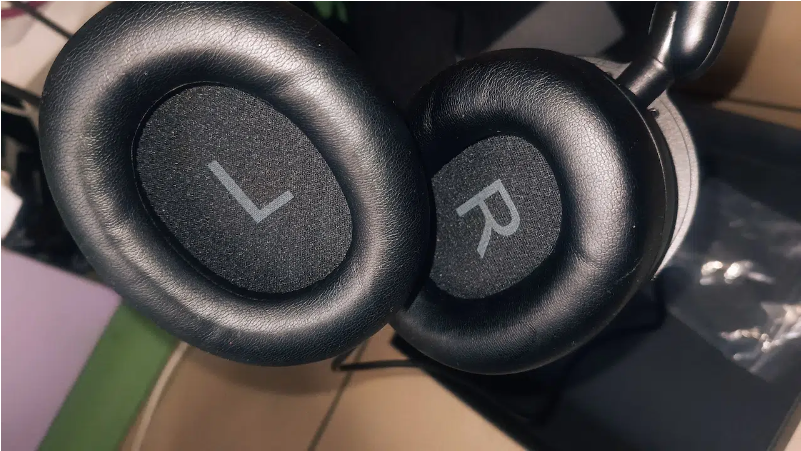
Bass isn’t just heard—it’s felt. That rumbling depth is what pulls you into a movie scene. Over-ear headphones like the A6 deliver bass differently than earbuds. The larger ear cups act like miniature acoustic chambers. When the driver moves, it pushes air against your eardrum—and if the seal is tight, you feel it in your chest and jaw.The A6 handled spatial details beautifully—I could hear subtle echoes and creaky doors clearly. But the sub-bass didn’t hit as hard as I wanted. And that slight feeling of “I wish there were more” made me realize: we always crave that extra 10%. True immersion always leaves you wanting just a bit more.
4.Until There Is Such a Thing as Too Much
Wait—didn’t I just say there’s no such thing as too much? Here’s the twist: audio is about balance, not just intensity. Psychoacoustics teaches us that our perception of sound depends on contrast. If you boost the bass too much, you lose mid-range detail. Too much treble causes listener fatigue.That’s why cinematic audio is mixed with “headroom”—quiet moments make the loud ones hit harder. If everything is intense, nothing stands out. It’s like an over-edited HDR photo: everything looks bright and deep, but somehow flat and fake.
5.High-Fidelity Audio Exposes What Apps Try to Hide
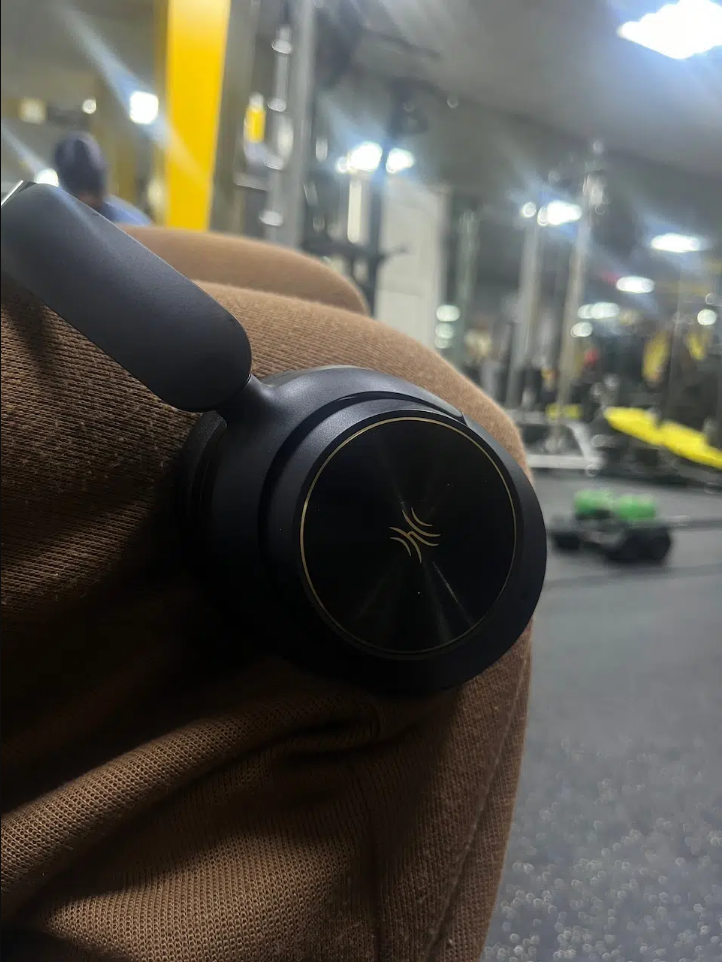
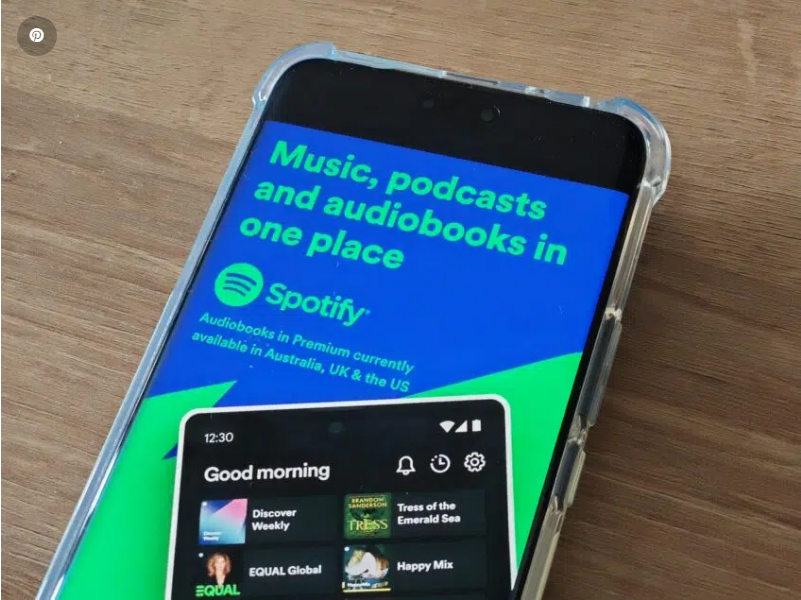
Listening with high-bitrate codecs like LDAC (up to 990kbps) removes a major Bluetooth bottleneck. Standard codecs like SBC or AAC compress audio, stripping away subtle details and spatial cues to save bandwidth.But with better gear, you hear more—including the flaws. If your music app is streaming low-quality files, you’ll notice. Compression artifacts, lost details, collapsed soundstage—it’s all revealed. Some apps use normalization or artificial reverb to mask low-quality streams. Once you’ve heard true high-fidelity, you can’t unhear what’s missing.
6.Passive Isolation Is a Feature, Not an Absence of One
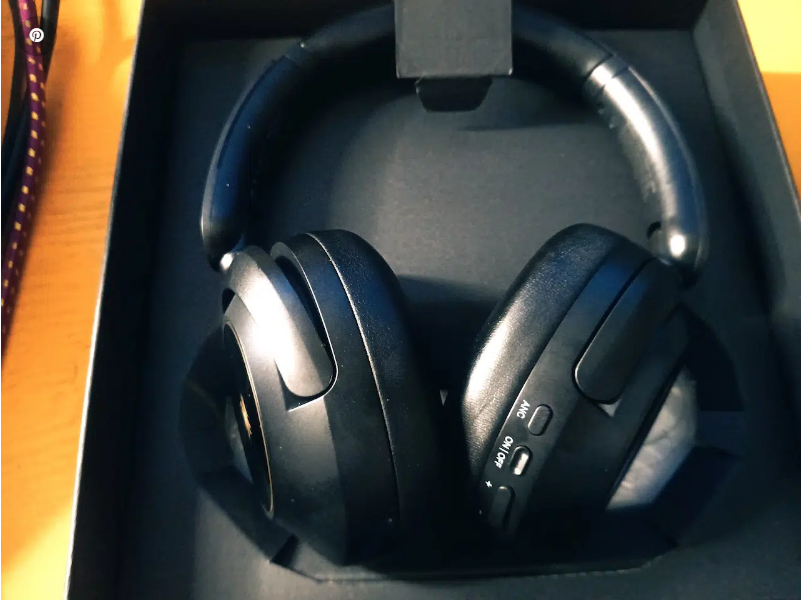
I used to think “passive isolation” was just a marketing term for “no ANC.” But it’s actually a deliberate part of the design. Before any electronics come into play, the physical build of the headphones blocks sound.The A6’s ear cups are deep and plush, with strong clamping force and dense protein-leatherette padding. The frame is rigid. Together, they create a seal that reduces noise even before you turn on ANC. With ANC off, they still cut about 90% of ambient distractions. It’s silence by design—not default.
Since using the Focus A6, I’ve become more attentive to sound—maybe even an audiophile, or an audiophobe. I can’t go back to “good enough” audio now that I’ve heard what’s possible.
I’m not ready to drop $1,200 on high-end headphones yet. But if I do, I’ll want something that delivers great sound without making me guilty about the price. For now, these $70 headphones taught me enough—and left me curious for more.